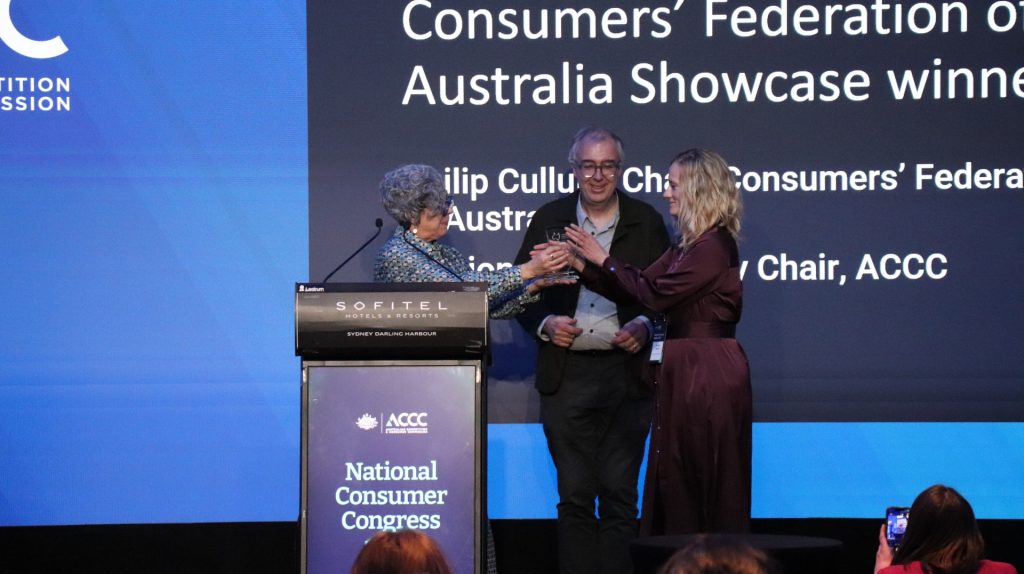
The 2026 ACCC National Consumer Congress has been held and with it, the Consumers’ Federation of Australia’s annual Consumer Advocacy Award. This year saw four projects and campaigns presented by CFA members from across the consumer advocacy sector, each of which saw substantial benefit to many consumers.
The nominees this year were:
1. Stronger Voices, Better Care: Individual Health Advocacy Project
Health Consumers’ Council WA (HCCWA) delivers Australia’s only free, independent individual health advocacy service, supporting people to navigate the healthcare system, understand their rights and access the care they need. The program also identifies systemic barriers, contributing to broader health system improvement, and prioritises people facing multiple forms of disadvantage, including Aboriginal people, people with disability, culturally and linguistically diverse communities, carers, older people, regional residents and those experiencing financial hardship.
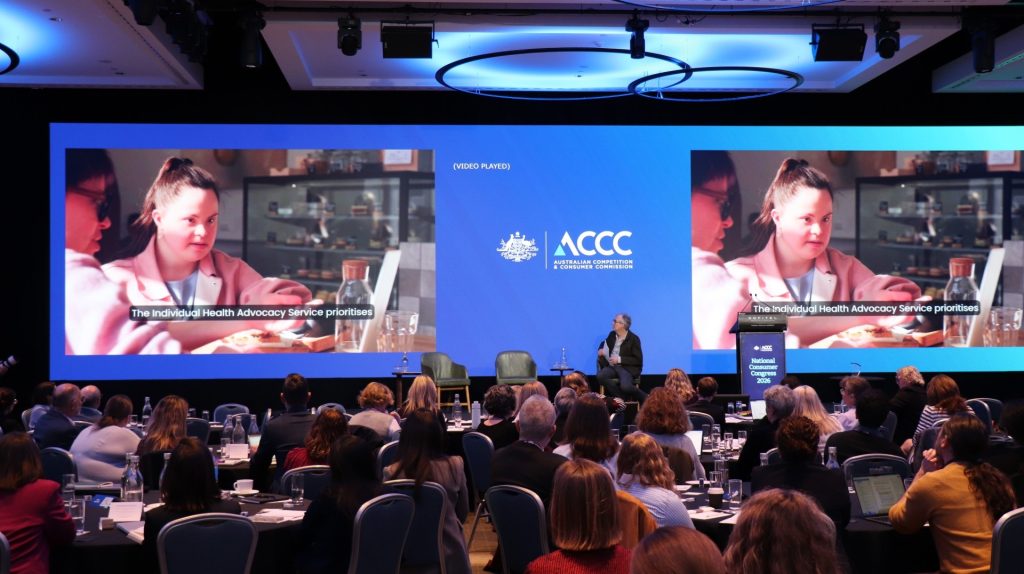
HCCWA advocates work one-on-one with consumers to build self-advocacy skills, resolve healthcare issues and, when needed, represent consumers to ensure their voices are heard. Between July 2024 and June 2025, the program achieved outstanding results, with 100% of surveyed consumers reporting they had a positive experience and received helpful information, with support received rating an average 9.7/10 average support rating, and the confidence to self-advocate reported by 91%.
The program is delivered by a multidisciplinary team of seven advocates with expertise across healthcare, disability, mental health, social work and community services. Together, they support around 1,250 Western Australians each year and work closely with more than 80 partner organisations across health, legal, disability, multicultural and community sectors.
2. Strata Commission Reform Project
This advocacy project aims to address systemic conflicts of interest in the strata insurance market, particularly commission-based remuneration and undisclosed payments that can increase costs for consumers and undermine transparency. The campaign advocates for the abolition of these commissions or, at a minimum, stronger regulatory safeguards to ensure fairer outcomes for strata property owners.
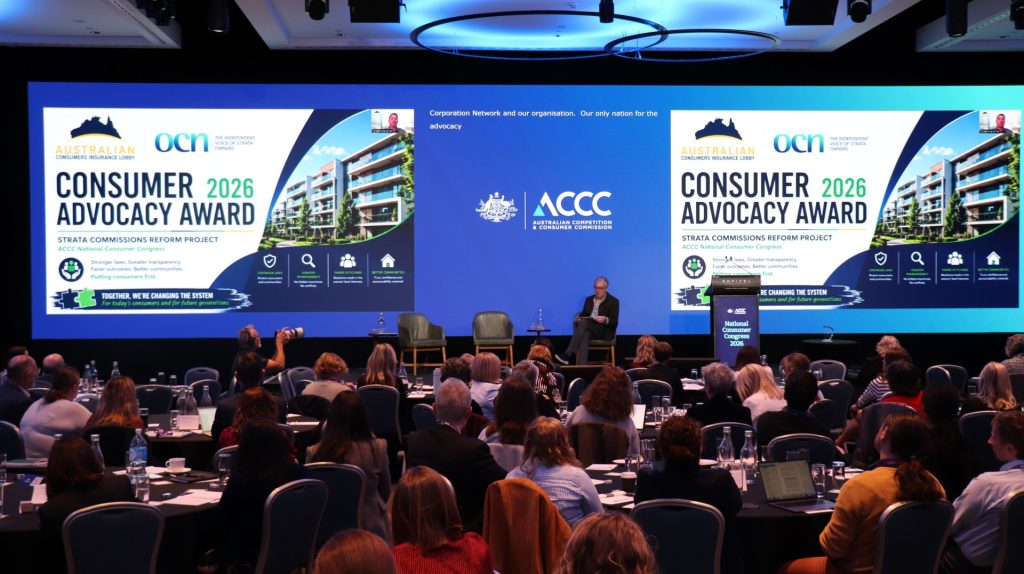
Over several years, the project has combined public education, consumer research, media engagement and direct advocacy with regulators and policymakers to increase public and regulatory scrutiny of strata insurance practices – including the successful prosecution of Southern Cross Strata Management. In New South Wales, momentum for reform has grown, with proposals to ban strata insurance commissions, a commitment from the Strata Community Association (NSW) to cease commissions, and a review by the NSW Productivity Commission. The issue is now firmly on the national policy agenda, with several jurisdictions monitoring developments.
Following the ABC Four Corners investigation in September 2024, the campaign expanded to include a broader coalition of consumer advocacy organisations, which jointly called on Federal and State governments to implement urgent regulatory reforms and strengthen consumer protections.
3. CHOICE sunscreen investigation or Sunscreengate
Australia has the highest skin cancer rates in the world and, while the Therapeutic Goods Administration (TGA) regulates sunscreens the TGA also takes brands and external testing companies at their word on SPF ratings, prompting a CHOICE investigation to verify SPF claims in Australia. Independent testing was commissioned on 20 widely available sunscreens labelled SPF 50+, and 16 out of 20 products failed to meet their claimed protection levels. Among the most significant findings was Ultra Violette’s Lean Screen, which returned SPF results of just 4 and 5 in two separate tests.
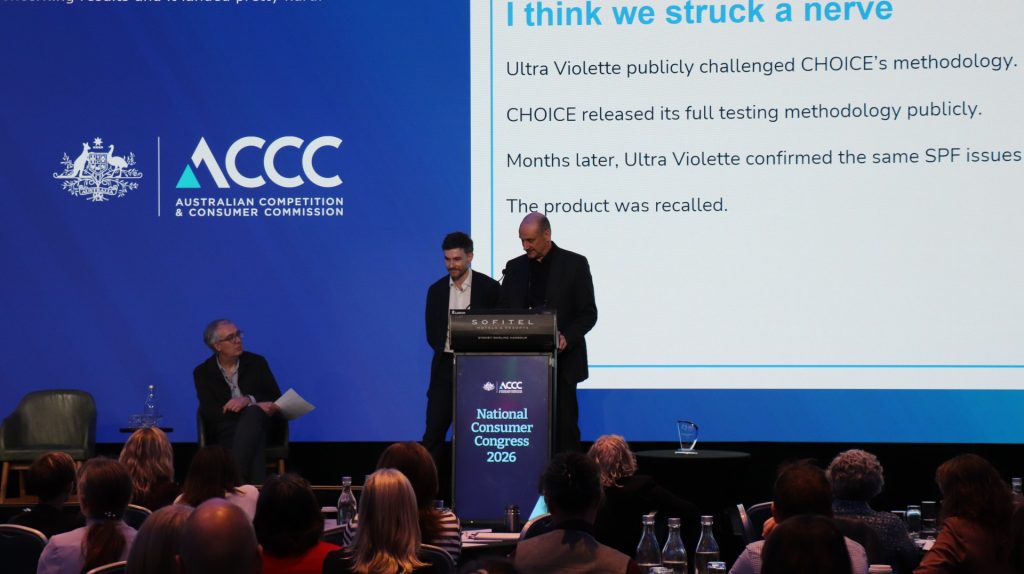
The investigation attracted extensive national media coverage and sparked widespread public debate. Ultra Violette initially challenged CHOICE’s methodology, prompting CHOICE to publicly release its testing data and methods. Subsequent testing commissioned by Ultra Violette confirmed the product did not meet its claimed SPF rating, leading the company to withdraw Lean Screen from sale.
The story, which became known as #SunscreenGate, received international attention from outlets including The New York Times and the BBC, and generated more than 4,700 media mentions by March 2026. The investigation has also prompted the Therapeutic Goods Administration (TGA) to consult on reforms to sunscreen regulation.
4. Take Your Super Back
Super Consumers Australia launched this campaign in response to the Shield and First Guardian investment collapses, which affected around 11,000 people and resulted in losses of approximately $1.1 billion. The advocacy campaign raised public and media awareness through case studies, media releases and engagement with outlets such as the ABC, helping to drive government and regulatory attention. Treasury has since proposed a package of reforms covering lead generation, hawking, trustee governance, managed investment schemes, professional indemnity insurance, advice fee charging and the CSLR.
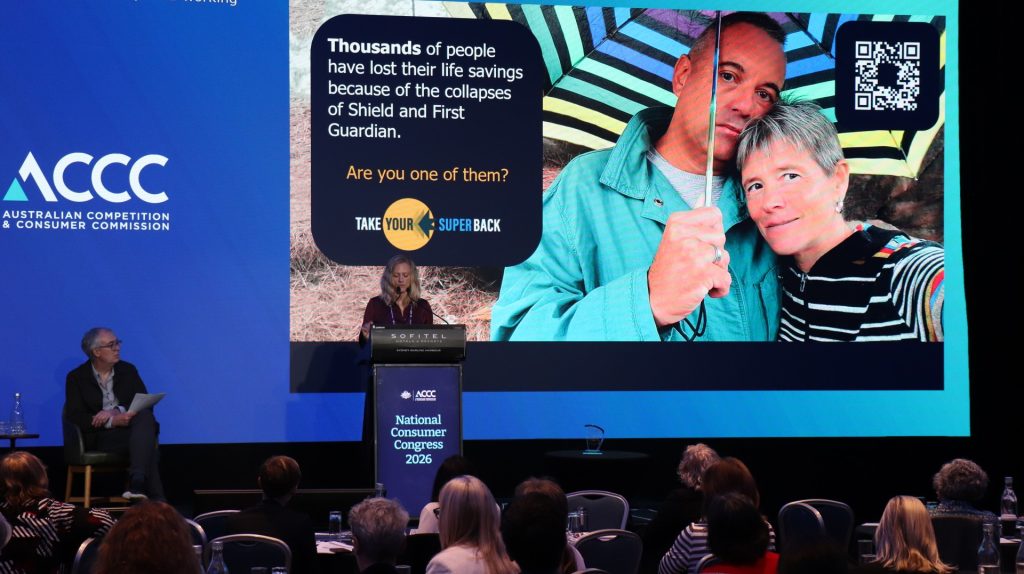
Alongside advocacy, Super Consumers Australia developed the Take Your Super Back website (available here) with the help of ASIC funding to provide clear, practical information for affected consumers. Working with ASIC and AFCA, the project helped consumers navigate complaints and compensation processes through tailored resources and a pre-filled AFCA complaint form. Around 65% of consumers contacted by ASIC visited the website, while AFCA complaints increased from 1,559 in November 2025 to 2,162 by February 2026 and approximately 3,000 by May 2026. Feedback has been overwhelmingly positive, and, of the complaints that have been decided by AFACA, all but one consumer has received compensation.
And the winner is…
Congratulations to everyone on the team at Super Consumers Australia for their work on Take Your Super Back for the well-deserved Consumer Advocacy Award!